The Frozen River: Where Fact Melts into Fiction
The Frozen River: Where Fact Melts into Fiction
Jan 07, 2026
Martha Ballard lived: that is my why for reading The Frozen River.
Researching primary sources at the library, I'd run across an early American mid-wife's diary that drew me in. From the fore-ward of Martha Ballard's compiled diary:
"Mrs. Ballard's first entry in the diary was on 1 Jan. 1785 and entries continued daily with few exceptions until 7 May 1812; a span of 27 plus years or nearly 10,000 daily entries..."
So when I found out about The Frozen River by Ariel Lawhon, I had to read it. I knew it was historical fiction featuring Martha Ballard, but it included Martha's actual words...and it all truly melted together.
Necessary disclaimer: As a blogger, I use affiliate links sometimes! I may receive commission from purchases I share; it does not change your price but sometimes you might get a discount.
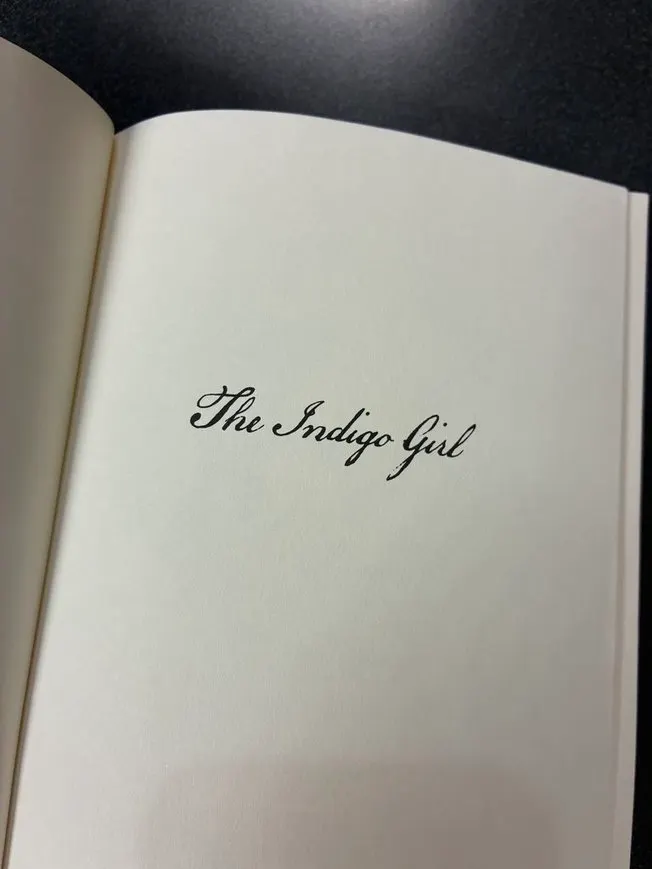
Book citation: The Frozen River, Ariel Lawhon, Vintage Publishing ©2023
Who should read The Frozen River?
I won't sugarcoat it: there are details describing what I'll gently term as assault. (warning: if you read further, I use the accurate terminology). Murder and somewhat explicit content and topics mean you should be discretionary when it comes to kids and sensitive readers.
So who should read it?
Anyone interested in:
- post-Revolution Maine
- daily life in rural 18th century America (personal, family, domestic, trades, land ownership)
- medical history (mostly the midwifery, but also other medical issues and treatments)
- legal procedure in our early United States
- and of course: a solid murder mystery
The basis of the book: fact into fiction.
Ok, the story in the book is about Martha's experience as a midwife, mother, and specifically: witness in the case of what they term a "ravishing," as well as the more familiar criminal term of rape.
Let me explain the "storyline." A man is found dead. His alleged ties to the rape of a local woman in the small town of Hallowell drive the book forward.
- Was he guilty?
- Was a judge involved?
- Who killed him? ... if it was murder.
- And how does Martha Ballard's training as a midwife come into play?
But it's so much more: education on the trade (skill!) of midwifery in the late 18th century, insights into daily life in Maine, and of course: understanding a woman who lived here, in what is our United States. Importantly, getting to know a person from history through a book inspired by her own words.
It's a book turning facts recorded with quill and ink into a modern narrative of historical fiction.

Lawhon's writing style puts 18th century Maine into context. Easily.
Maine was actually part of Massachusetts before gaining statehood in 1820, so the references of the region mirror that fact.
Reading 18th century writing isn't always easy. You have to adapt to the cadence, the vocabulary, the context. Taking 18th century writing and using it to inspire a work of fiction is a brilliant concept. And Lawhon develops this concept into a work of art. She intermingles entries from Martha's actual diary with her interpretation of Martha's thoughts.
Further, with The Frozen River, Lawhon created conversations, situations, and relationships through the imagination of a polished author and research of a savvy historian.
When she describes the super-long winter of 1790, you relate to Martha's frustration: "Though today marks the Ides of March, it is still bitterly cold. Most years the river has opened by now and the ground is starting to thaw. But not this year. Winter still holds us in its bitter grip." - page 293.
When she describes the river's condition a few weeks later in April, you are transported to 1790 Maine: "...the air no longer burns my lungs. The river is still frozen, however, but it has started to crack and pop occasionally, hinting that it won’t be long until the thaw."
Martha Ballard comes alive. And I'm sure anyone reading the book will find it relatable in the context of human experience. In the 21st century and beyond.

Have Martha Ballard's words on hand.
Of course you can check your local library, but if this feels like a must-have for your historical fiction collection, buy The Frozen River! If you want a deeper dive, there's a non-fiction work for you too!
- Buy The Frozen River by clicking here.
- Get the Pulitzer Prize winning A Midwife's Tale: The Life of Martha Ballard, Based on Her Diary, 1785-1812 by clicking here.
Side note: If you visit Colonial Williamsburg and book a customized walking tour, ask to have the local midwife and her home included when we plan your visit! Click here.
And if you want more book recommendations, see my list here on my Amazon storefront!
Closing words from history.
Direct from Martha Ballard's diary, which has been compiled into a reference book I use at Colonial Williamsburg's John D. Rockefeller Library. (It's out of print according to Amazon, so check your local library!)
And don't mind the grammar- I've attempted an exact transcription, as always breaking a long paragraph into shorter ones.
Citation: Diary of Martha Ballard, 1785-1812, Martha Ballard, 1735-1812
Maine Genealogical Society Special Publication No. 10
Edited by Robert R. McCausland and Cynthia MacAlman McCausland
Picton Press © 1992
December 23, 1789 entry Page 146 (excerpt):
"mr Ballard and I went to Varsalboro as Evidences in the Cause between this Common wealth & Joseph North Esqr. the Charg was said on ye night of augs 10 th Broke into the house of Isaac Foster in the night time & Ravisht the wife of Said Foster.
on trial mrs Foster apeard very Calm, Sedate & unmovd, not with Standing the Strong atempts there were made to throw aspercions on her Carracter.
Shee on oath affirmd that Said North Broke open the Door of her house & perpetrated the Crime of Rape ravishment, not with standing her Exerting her Selfe as much as her Strength would would [sic] admit admit [sic] of.
My testemony was that mrs Foster on the 19 of august Complained to me that Shee had Shee had [sic] recevd great abuses from people unknown to her..."
Are you enjoying this free blog? Keep me caffeinated, researching, and writing! Use my online tip jar to buy me a coffee:

There is a huge practical disclaimer to the content on this blog, which is my way of sharing my excitement and basically journaling online.
1) I am not a historian nor an expert. I will let you know I’m relaying the information as I understand and interpret it. The employees of Colonial Williamsburg base their presentations, work, and responses on historical documents and mainly primary sources.
2) I will update for accuracy as history is constant learning. If you have a question about accuracy, please ask me! I will get the answer from the best source I can find.
3) Photo credit to me, Daphne Reznik, for all photos in this post, unless otherwise credited! All photos are personal photos taken in public access locations or with specific permission.