Thomas Paine: How a Teen Corset-Maker Became the Voice of the American Revolution
Thomas Paine: How a Teen Corset-Maker Became the Voice of the American Revolution
Jan 16, 2026
Thomas Paine is a name you'll want to remember.
Some of you may be familiar with Thomas Paine. He's the guy who anonymously penned Common Sense, which hit the world in January of 1776. It was in the form of a pamphlet, which became widely accessible.
In an era of revolutionary thought, Common Sense drew a line under the sentiments of many living this side of the Atlantic.
So who was Thomas Paine? How did he turn into the voice giving momentum to American Independence? And what role did Common Sense play in giving strength to those literally battling for our liberty?
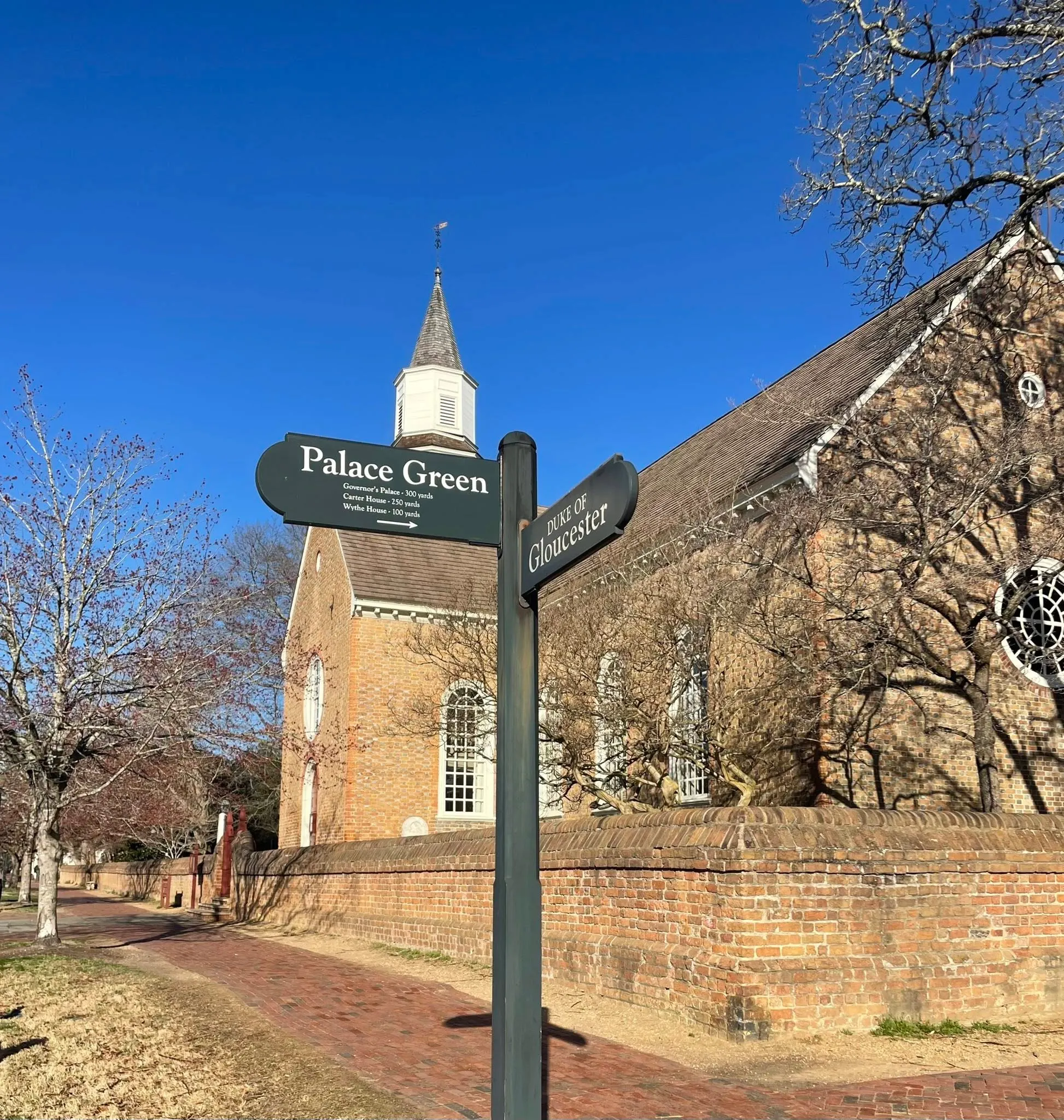
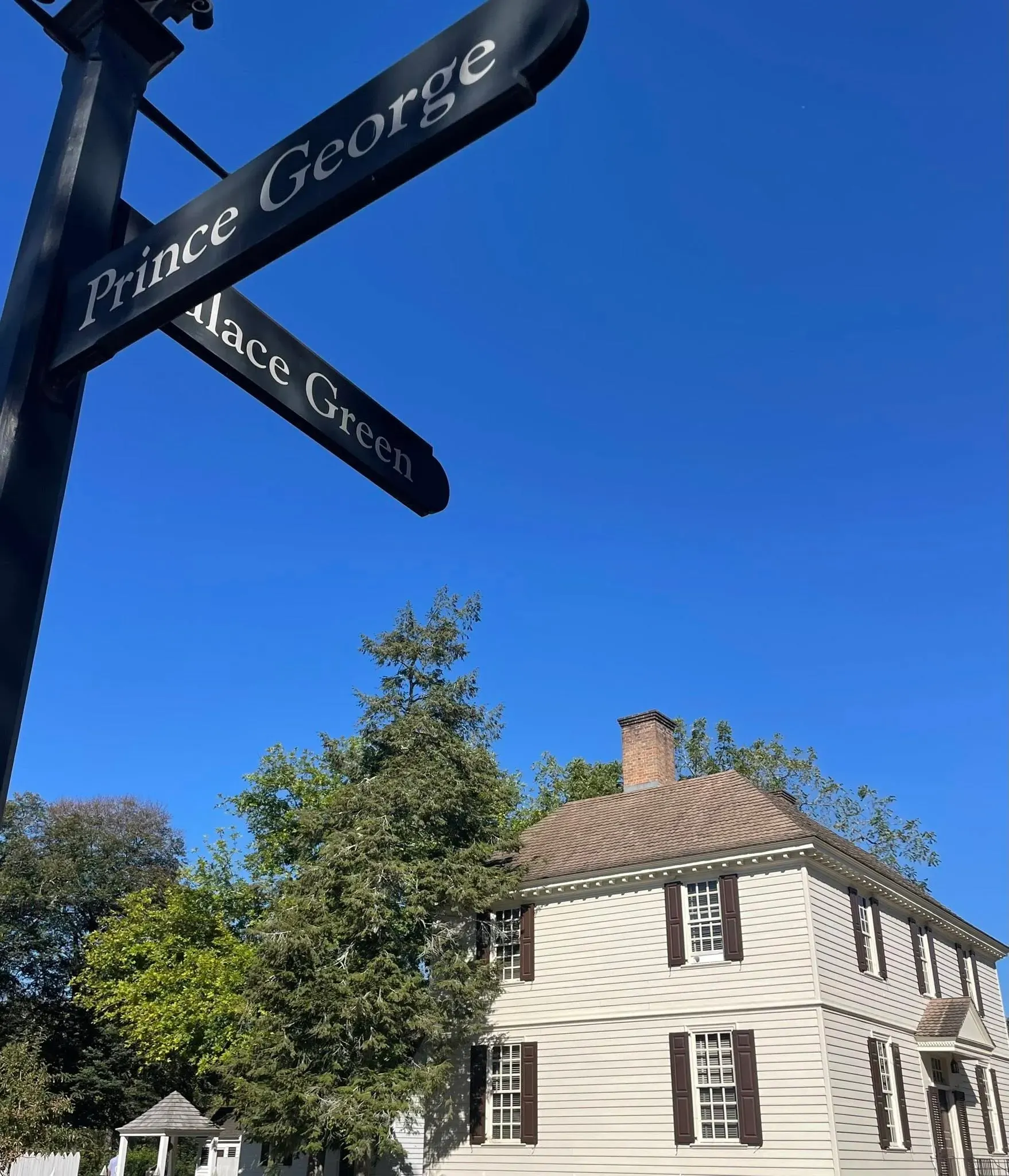
Living on the doorstep of Colonial Williamsburg (CW), what's currently the largest living history museum, I hear his name often.
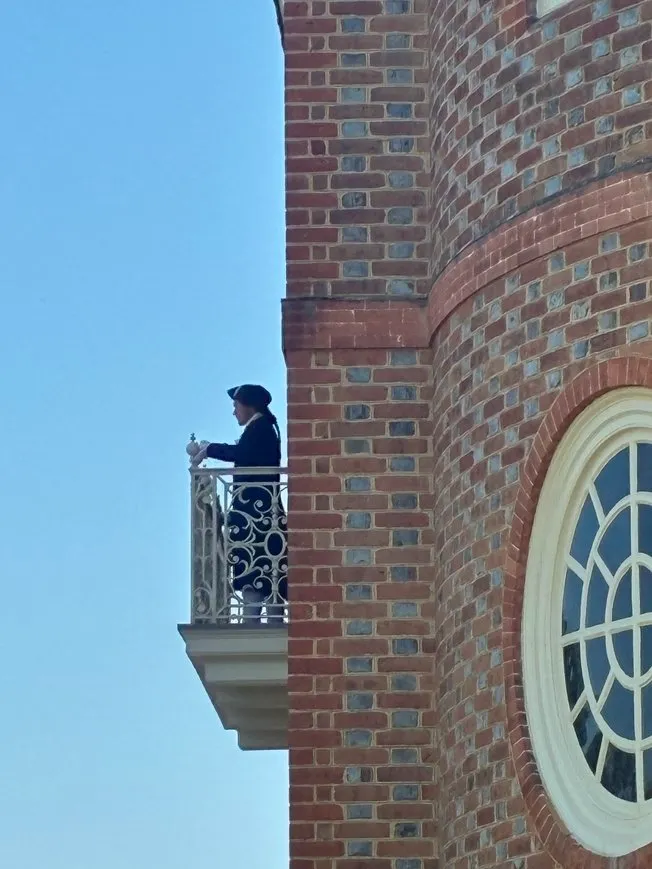
Whether 'Thomas Jefferson' drops his name on stage, or I'm listening to tradespeople in the Bookbindery or Print Shop discuss pamphlets, his presence is constant.
And in a year celebrating America's 250th anniversary of declaring independence, he must have presence on this blog as well.
Necessary disclaimer: As a blogger, I use affiliate links sometimes! I may receive commission from purchases I share; it does not change your price but sometimes you might get a discount.
RELATED: Purchase Common Sense.
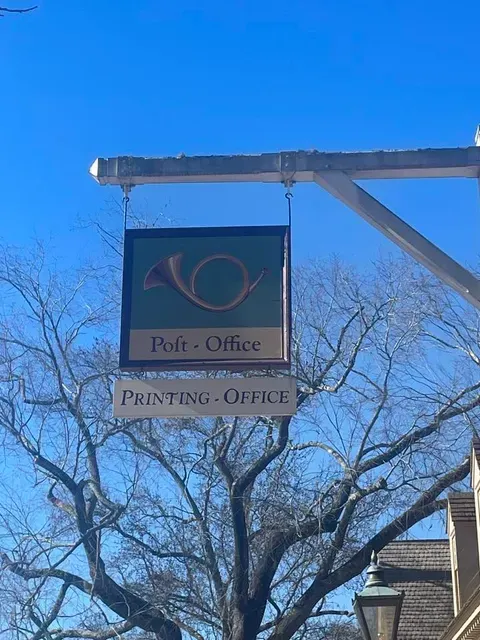
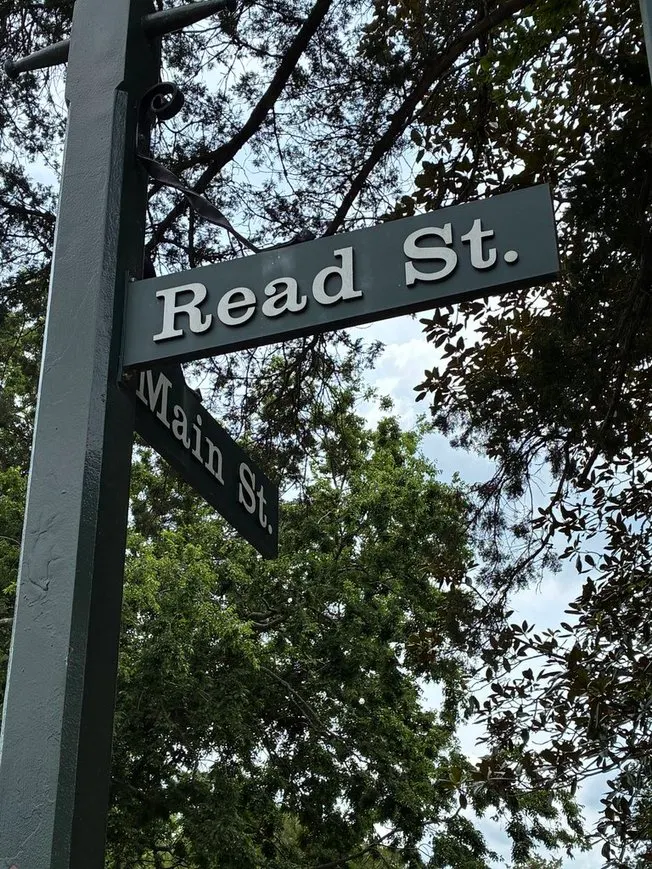
Sign in front of CW's Bookbindery and Print Shop
Meet Thomas Paine.
The apprentice corset-maker.
When I researched Thomas Paine further, to get to know where his story began, I found a fantastic resource at CW's John D. Rockefeller Library. It was Paine's book Common Sense, but a version published more recently.
Citation: Common Sense by Thomas Paine, edited by Edward Larkin, ©2004, Broadview Press, Ltd. Author's note: I'll be using "Larkin's book" to reference it.
In Larkin's book I learned Thomas' father was a shopkeeper in the English countryside. He "made corsets from whalebone" and young Thomas was his apprentice. The expectation of course: succeeding his father. By the time Thomas completed his apprenticeship, such corsets were out of fashion. (pages 11-12)
Paine continued on to try a few other professions: teacher and preacher included.
The broke ex-husband.
Paine's first wife died. His second divorced him. By the summer of 1774, he was alone and struggling financially. As an exciseman (aka tax collector) one of his last professions in England, he began to get political; writing, in terms of advocacy, was his thing.
And at the age of 37, in November of 1774, he arrived in Philadelphia.
Before leaving London, Thomas made a habit of attending lectures- how, according to Larkin's book, he met Benjamin Franklin. Paine, who'd been a member of the Headstrong (debate) Club in Essex seems to have impressed Franklin with his skills and reputation.
We know he showed up in Philadelphia with a letter of introduction from Franklin.
If you click here, you'll open Franklin's letter of introduction to his son-in-law, Richard Bache.
The editor.
Benjamin Franklin and his letter of introduction in hand, Thomas Paine quickly landed a job with Robert Aitken. His new role: editor of Aitken's "Pennsylvania Magazine."
So let's set the stage:
- It's 1775.
- In America. Specifically, Philadelphia.
Indeed, Paine learned a lot about politics, the Continental Congress which meets there, and discussions being had from taverns to dinner tables.
The inspiration.
By January of 1776, Thomas Paine made his sentiments clear: he had convictions about monarchy, the American struggle with Parliament, and the idea of liberty as a concept necessary to fight for.
On January 9, 1776, Philadelphia printer Robert Bell published the pamphlet Common Sense. You can find all the details of the strife and controversy involved with credit and copyright in Larkin's book on pages 28-29.
But know this: Paine's writings are now common knowledge although he initially published this pamphlet anonymously.
According Larkin's book, weeks after publication, George Washington was sharing his belief that Common Sense would sway colonists into supporting separation from England.
And yes, I found those words.
They're in a letter from Washington to then-Lt. Col. Joseph Reed. Click here to read them in a new tab - see the last portion of the third paragraph.
It wasn't just Washington and Franklin who took note. Thomas Jefferson stayed in contact with Paine well beyond the Revolutionary War and into his presidency.
RELATED: Click here to open a new tab and read more biographical detail of Thomas Paine on the Thomas Paine Society's website.
And if you really want to dive into Paine and Common Sense, following the closing words section of this article, I'm embedding a FANTASTIC episode of Ben Franklin's World with a special guest from the Institute for Thomas Paine Studies.
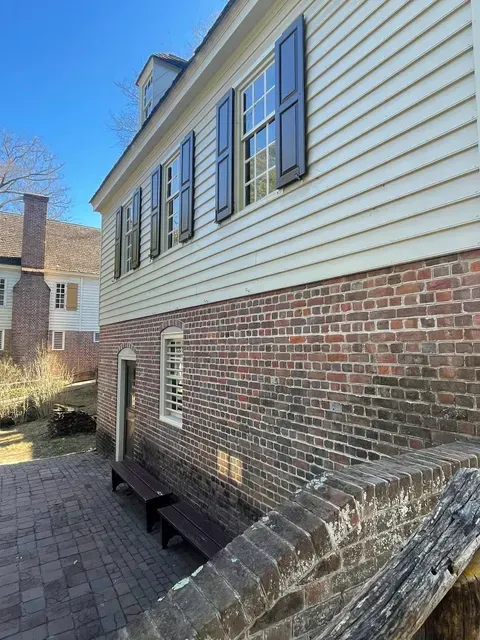
CW Print Shop located behind and below the Bookbindery
Inspiration at Valley Forge
American Crisis, December, 1776, "by the author of Common Sense," Number 1. opens with: (page 241 of Larkin's book)
"These are the times that try men’s souls: The summer soldier and the sunshine patriot will, in this crisis, shrink from the service of his country; but he that stands it now, deserves the love and thanks of man and woman. Tyranny, like hell, is not easily conquered; yet we have this consolation with us, that the harder the conflict, the more glorious the triumph."
Beyond his initial offering of inspiration in January of 1776 to the American public through Common Sense, Paine directly impacted the success of Washington's soldiers later that year.
Paine was aide-de-camp to General Nathanael Greene at the time. He wrote this essay with hopes of rallying the troops (I've been told numerous times, from numerous sources, but it's in Larkin's book as a citation!).
Washington had his men read the essay. Powerful motivation to encourage them to stay with the cause and continue on to New Jersey, across the Delaware. They surprised English troops and won the Battle of Trenton.
Motivational words indeed.
As we continue forward through 2026, keep January, 1776's epic publication of Common Sense in mind.
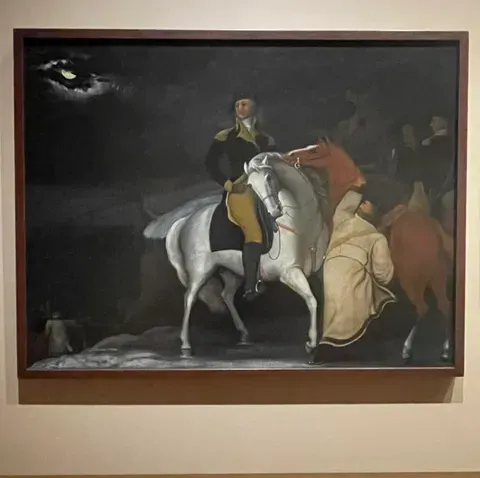
Washington Crossing the Delaware by Edward Hicks, on view in CW
Closing words from history.
Common Sense was what we'd easily call a bestseller - it was inspiration for founding fathers, soldiers-- and for all Americans from the Massachusetts Bay to the Carolinas.
It only makes sense for my closing words to come from this historical pamphlet which, in my mind, solidifies Thomas Paine as a legacy to American Independence.
A true voice of the American Revolution. One we should honor during America's 250th and beyond.
From Larkin's edition of Common Sense in a section titled "Thoughts on the present State of American Affairs" (page 61):
"Volumes have been written on the subject of the struggle between England and America. Men of all ranks have embarked in the controversy, from different motives, and with various designs; but all have been ineffectual, and the period of debate is closed. Arms, as the last resource, decide the contest; the appeal was the choice of the king, and the continent has accepted the challenge."
And as promised, a podcast episode I highly recommend:
If you enjoy the blog click below to buy me a coffee (or even a tea!) using my online tip jar!

There is a huge practical disclaimer to the content on this blog, which is my way of sharing my excitement and basically journaling online.
1) I am not a historian nor an expert. I will let you know I’m relaying the information as I understand and interpret it. The employees of Colonial Williamsburg base their presentations, work, and responses on historical documents and mainly primary sources.
2) I will update for accuracy as history is constant learning. If you have a question about accuracy, please ask me! I will get the answer from the best source I can find.
3) Photo credit to me, Daphne Reznik, for all photos in this post, unless otherwise credited! All photos are personal photos taken in public access locations or with specific permission.